
What we hope to do...
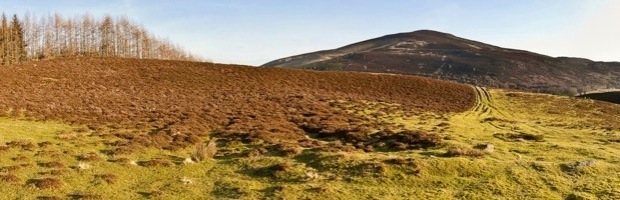
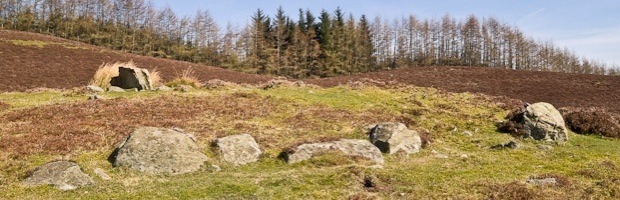
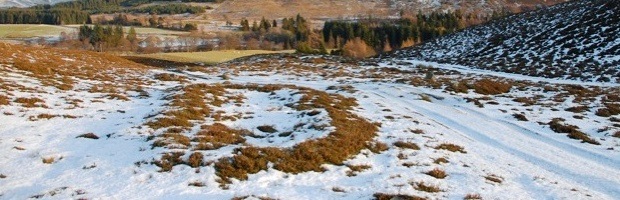
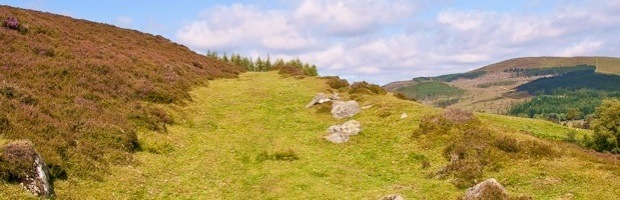
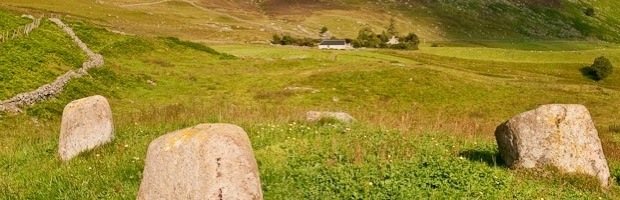
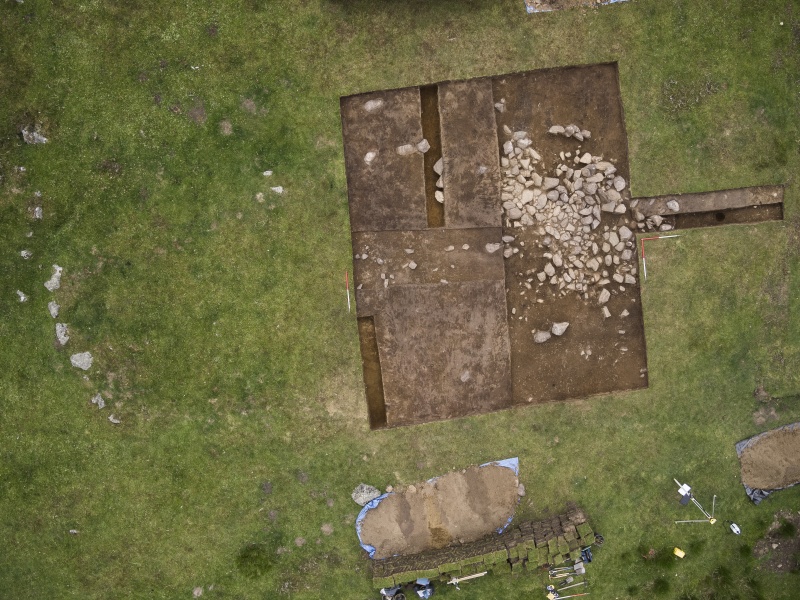
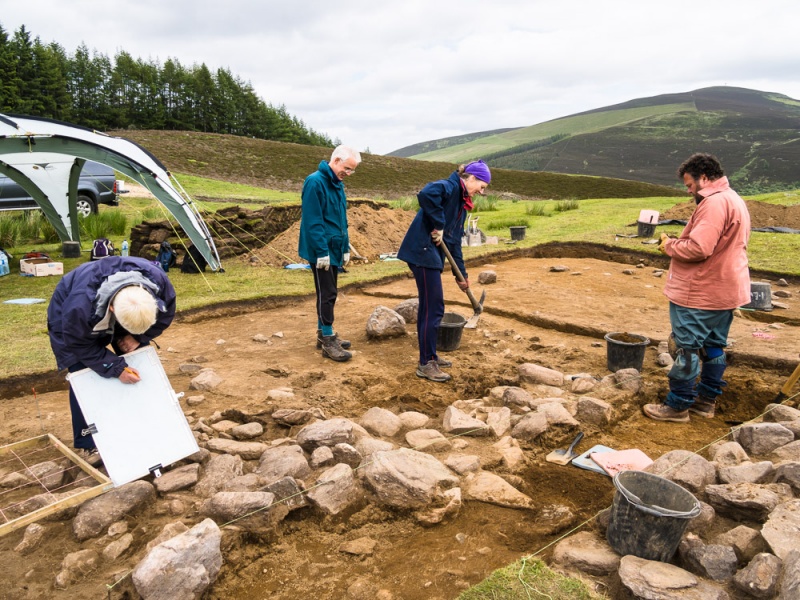
The overall aim of the Glenshee Archaeology Project is to uncover some the story of prehistoric and early historic life in the glen, and to share this with residents and visitors. While the intial thrust of the is concerned with the so-called 'Pitcarmick' buildings in the uplands around the glen, we are also exploring related features of the wider landscape, such as clearance cairns, trackways and boundaries. The Pitcarmick buildings are stone/turf and timber longhouses of the late first millennium, and were first identified in the uplands of north-east Perthshire in the late 1980's (RCAHMS 1990). Their date, function and relationship to other archaeological sites remains poorly understood, as very few have been excavated, the notable exception being the site in Strathardle (Carver et al 2013) from which the group takes its name.
The site-type is important as early medieval buildings are rarely found elsewhere in Scotland, with the exception of Viking settlement in the Outer Isles (ScARF 2010). Like Pitcarmick, the Lair site comprises a relatively dispersed settlement of long-houses around an earlier prehistoric settlement (itself consisting of round houses of probable late Bronze Age or possibly Iron Age date). These are all set around a ring-cairn of probable earlier Bronze Age date. Further reading...RCAHMS 1990 North-east Perth: an archaeological landscape. Edinburgh. Carver, Barrett, Downes and Hooper, M. J. J. & J. 2013 'Pictish Byre Houses at Pitcarmick and their Landscape: investigations 1993-5’ Proc Soc Antiq Scot Vol 142, 2012, 145-200 . ScARF 2010 Medieval Panel Draft Workshop Document, 20 : http://www.scottishheritagehub.com/ |
        |
    |